September 13, 2026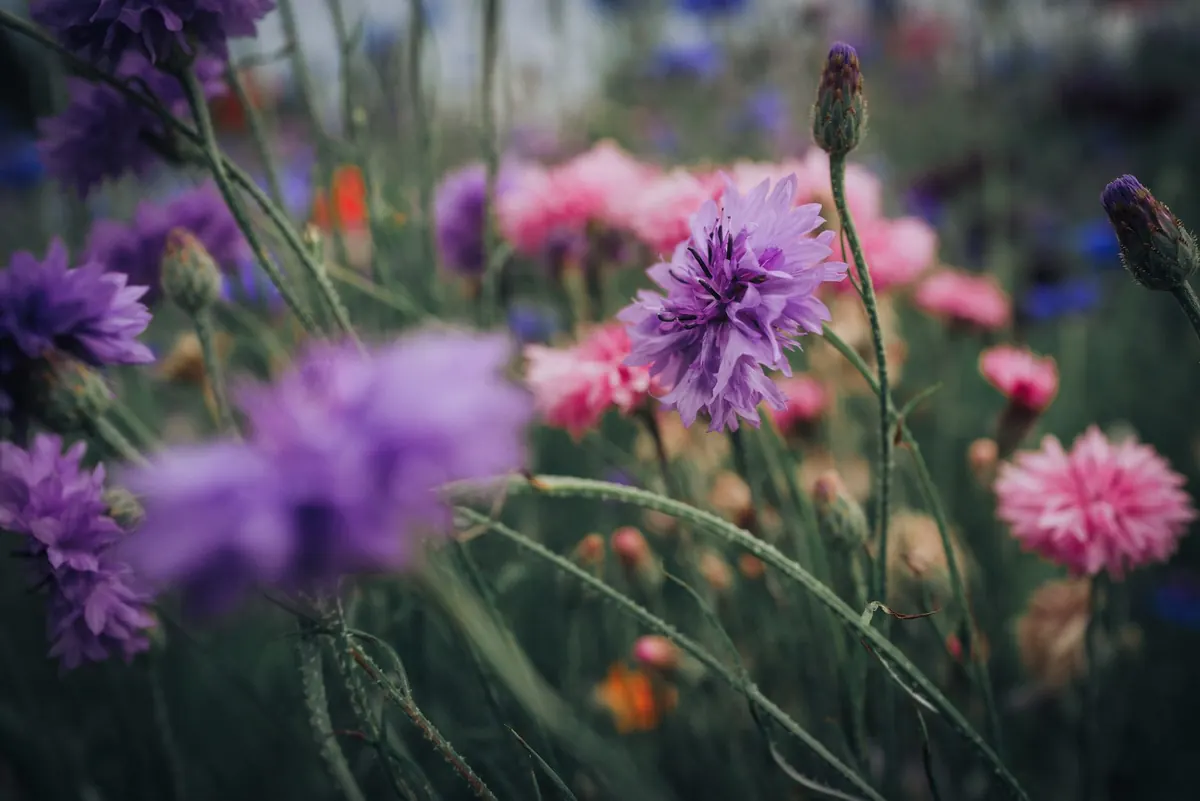
A cottage garden does not have to be a full-time job. The look — colour spilling over the path edge, bees drifting from bloom to bloom, plants that seem to have arrived on their own — comes from choosing things that are happy where they are, then leaving them largely alone. Get that match right and a border can run from April to October with very little help. The twelve plants below are forgiving, generous with flowers, and mostly cheap to raise from seed.
What "easy care" really means
Not everything in a seed packet or a plastic pot earns the label. Plants that genuinely look after themselves tend to share a few habits:
- They flower for months rather than a fortnight.
- They cope with ordinary soil and never demand a feeding routine.
- They set seed freely or return each year without fuss.
- They forgive a missed watering and shrug off most pests.
- They look better flopping over a path than standing to attention.
Before buying anything, spend a week noticing your garden. Where does the sun land at ten in the morning, and again at four? Does water pool after rain? Which spots take the wind? A plant matched to its place needs almost nothing from you. The same plant in the wrong place needs attention all season.
Spring starters
Calendula (pot marigold)
Sow direct in early spring; the orange and yellow daisies open within weeks and keep coming if you pick or deadhead them. Calendula prefers cool weather and sulks in high summer, so let a few flowers run to seed in June. The next generation usually appears by autumn without any help.
Sweet alyssum
A low, honey-scented annual for the front of a border, a path edge or a pot. Scatter the seed on the surface, because it needs light to germinate, and keep it damp for a fortnight. Shearing the plants back by half in midsummer brings a fresh flush that lasts well into autumn.
Love-in-a-mist (nigella)
Sow where you want it, thin the seedlings to roughly 15cm apart, then do nothing. Blue, white and pink flowers are followed by striped seed pods that earn their place in a vase. Left alone, nigella sows itself reliably and wanders into gaps you never got around to filling.
California poppy
One of the easiest flowers there is, provided you never try to move it. Sow on poor, dry ground in spring and let the silvery foliage and papery orange blooms do the rest. It opens in sunshine and closes in dull weather, and it seeds into gravel and paving cracks without encouragement.
Summer workhorses
Cosmos
Tall, airy and endlessly generous. Sow after the last frost, or start seed indoors a few weeks earlier. Cosmos flowers better on lean soil than rich — too much feeding gives you leaves and very few blooms. Deadhead every few days and one plant can carry on into October.
Zinnia
Dwarf or tall, single or double, zinnias keep flowering through heat that stops most other annuals. They want sun and decent drainage, and they resent rough handling at transplanting, so direct sowing is often simplest. They are also the best cut flower on this list, lasting a week or more in water.
Coreopsis (tickseed)
A hardy perennial with small yellow flowers on wiry stems, opening from early summer well into autumn. It handles poor, sandy ground and dry spells, and asks only for a trim after the first flush to stay neat and keep blooming.
Shasta daisy
Classic white daisies on sturdy stems, useful for separating brighter colours so the border does not turn to mush. Plant in sun or light shade, water through the first season while it establishes, then leave it be. Divide clumps every three or four years, once the centres start to thin.
Late summer into autumn
Rudbeckia (black-eyed Susan)
Golden daisies with dark centres that take over the colour relay just as the summer annuals tire. Tough and drought-tolerant once established, and happy in a border or a large pot. Leave the seed heads standing through winter for the birds.
Salvia nemorosa (meadow sage)
Spikes of violet-blue from early summer, and again in autumn if you cut the first flush back to the base of the flower stems. Undemanding in sun, aromatic, and long-lived. Few plants give so much for so little attention.
Japanese anemone
Late, elegant and almost too willing. Pale pink or white saucers open from August into October on stems that rarely need staking. Give it room, because it spreads by runners, and plant it where that spread is welcome — against a shed or along a fence.
Aster (Michaelmas daisy)
Purple, pink and blue flowers in September and October, when little else is going. Asters like sun and ordinary soil; pinch the growing tips in early June for bushier, sturdier plants. Powdery mildew can appear in dry spells, so water at the base rather than over the leaves.
Habits that keep the flowers coming
- Deadhead two or three times a week. Ten minutes with a bucket stops plants shutting up shop for the year.
- Water deeply and less often. A good soak twice a week beats a daily sprinkle and sends roots downwards.
- Cut back after the first flush. Salvias, coreopsis and alyssum all rebloom within weeks of a hard trim.
- Sow a second batch in June. A late sowing of calendula, nigella or cosmos fills the gap when spring plantings fade.
- Leave seed heads over winter. They feed birds, look good in frost, and hand you free plants next spring.
Plant the right plant in the right place and half the work disappears before you start.
One more habit worth learning: resist tidying too early. Cottage gardens look their best when plants are allowed to lean into each other, and self-seeders can only do their work if the seed is left to fall.
A simple first-year plan
Choose five plants rather than twelve. Take one tall flower for the back, such as cosmos or rudbeckia; two mid-height ones, coreopsis and zinnia, say; and two low growers for the front, sweet alyssum and calendula. Sow or plant them in blocks of at least three or five, because cottage gardens read as drifts rather than single specimens. Water new plants through their first month, mulch lightly to hold weeds down, and expect gaps — every border has them in year one. Scatter a few nigella or California poppy seeds into the bare patches in June, and by late summer the border will already have that crowded, generous look you were after.
Photo: Peter Holmboe / Pexels